mobile window tinting Louisville KY
Fast diagnostic first: what a pro sees on arrival
A trained installer begins with a technical walkaround. The focus is heat, UV, and moisture risks. In Louisville’s humid subtropical climate, trapped moisture under old film is common. Humidity causes adhesive blushing, haze, and edge lift. The technician checks for bubbling, color shift, dashboard cracking, and fading upholstery from solar heat gain. They record current Visible Light Transmission (VLT) with a tint meter, verify the AS-1 line for windshield top strips, and check glass type and condition. They also confirm Kentucky tint law compliance for the vehicle’s windows, with attention to the 35% VLT requirement on front side windows and the 3% variance rule.
Mobile window tinting in Louisville, KY needs power and stable prep space. A mobile unit carries a portable power source, heat gun, computer-cut plotter access (cloud-based patterns), squeegee tools, microfiber preparation cloths, and safe slip solutions. A quick moisture and dust scan of the work area helps prevent contamination that leads to tiny specks or “silvering.” If parked near Churchill Downs, the NuLu district, or along Poplar Level Road, a tech will position the vehicle to reduce crosswinds and pollen drift.
Why mobile tinting suits Louisville drivers
Sun Tint has served Jefferson County since 1986 and now brings factory-fit precision to homes and workplaces. The service reduces wait time for busy professionals Downtown and in the East End. The benefit is clear on a July afternoon. Ceramic tinting with strong infrared (IR) blocking cuts cabin heat and helps the AC system run with less strain. Non-metallized film avoids signal interference with GPS, Bluetooth, or mobile devices. That matters on long commutes along I-64, I-65, or I-71.
The installer’s product matrix often includes V-KOOL, Vista, Madico, LLumar, Solar Gard, SunTek, and 3M (Obsidian, Crystalline). Ceramic and carbon film options deliver high heat rejection and UV protection without the mirror look. Premium nano-ceramic particles absorb and reflect IR energy. An abrasion resistant coating helps resist swirls from routine cleaning. Clients in Prospect and St. Matthews often select high-performance ceramic film for luxury vehicles due to clarity, color stability, and strong heat control.
Humidity-driven failures: what the technician watches for
Louisville’s summer humidity exposes weak adhesive systems and poor prep. Tell-tale signs include milky haze near edges, tiny moisture pockets that never clear, adhesive contamination from window run channels, and peeling at the defroster lines on rear glass. Older dyed films fade toward purple and become brittle, which leads to cracking and hard removal. A pro checks glass cowl seals and felted window runs that shed fibers, since these can seed debris under the new film.
During removal, the installer manages steam and heat gun use to keep the pressure sensitive adhesive soft without harming defroster grids. If the vehicle has existing top strips on the windshield, they verify a clean substrate for a new sun strip and confirm placement below the AS-1 line. On convertibles or frameless doors, humidity makes edge sealing even more sensitive; technique and timing make a difference in how fast the film tacks and dries.
Exact steps of a mobile car tinting appointment
First, scheduling confirms the address and parking space. Many Louisville clients choose driveways in Highlands (40205), East End (40245), or St. Matthews (40223). Others book at office lots near Waterfront Park or the University of Louisville (UofL). On arrival, the technician sets up a clean workspace and confirms film choice and target VLT. They document the vehicle, including panel alignment and any existing scratches or chips in the glass.
Glass cleaning is deliberate. The tech washes interior glass with a non-ammonia cleaner, scrubs edges and gaskets, and flushes out grit. Microfiber cloths and squeegee pulls remove residue. In older vehicles from Germantown or Old Louisville garages, extra time goes to removing film residue and adhesive. The computer-cut plotter provides patterns matched to the exact make and model. This step produces a true factory-fit look that minimizes hand-cutting risk near tight rubber seals and dot matrix areas.
Next, the film is formed and installed. A heat gun helps shrink the film to match complex curves, like on SUVs common in Middletown and Fern Creek. Installers use controlled heat to avoid overstretching on back glass with steep rake angles. A slip solution allows the film to set without binding. Firm, even squeegee strokes chase out moisture. Edges are sealed and gaps are kept uniform. The top strip (sun strip) on the windshield, if selected and legal, is laid in last with attention to the AS-1 line and driver visibility.
The final pass includes inspection in two light angles to spot trapped debris, fingers, or micro-bubbles. In humid conditions, a small number of moisture points is normal and will outgas as the film cures. The technician applies the Kentucky-certified label in the driver’s side door jamb and photographs the install for warranty records. Clients receive a lifetime warranty summary and film brand documentation.
What performance to expect: heat, glare, and UV
High-performance ceramic film can reduce perceived interior heat by a wide margin. Many IR-focused films lower incoming infrared energy with impressive selectivity, which helps keep the cabin cooler at a stoplight on Frankfort Avenue or during a long haul to Valhalla Golf Club. Quality films block 99% of UV, which slows fading of upholstery and cuts the risk factors tied to cumulative UV exposure. Darker is not always cooler; IR rejection and total solar energy rejected (TSER) metrics matter more than looks. A balanced setup keeps the view clear at night while still reducing daytime glare along Shelbyville Road.
Clients who want the clearest view often pick lighter VLT with strong IR blocking instead of going darker. That approach protects the interior and keeps the AC quieter while staying inside Kentucky law. The installer can meter front and rear windows after install to confirm expected VLT and review visibility in shade and sunlight. If the vehicle often parks near the Louisville Slugger Museum or Muhammad Ali Center, the car may bake for hours. Ceramic film steadies cabin temps and slows plasticizer loss in dashboards that leads to cracking.
Legal standards in Kentucky and practical choices
Kentucky law requires a minimum of 35% VLT on front side windows for passenger vehicles, with a 3% variance. Rear sides and back glass have different thresholds by vehicle type. A certified label in the door jamb is part of compliance, and a pro installer includes it. Limo-dark back windows might be legal on some vehicles but can reduce visibility in rain on Watterson Expressway. Drivers should weigh night driving patterns, garage lighting, and reversing camera use.
Medical exemptions have strict documentation. A pro will not guess or over-tint. They match film to the rule set and put clarity first. That protects the driver during roadside checks and insurance claims. It also keeps resale simple for buyers in Clifton and Jeffersontown who prefer documented compliance.
Brands and film tech: what is under the surface
Sun Tint works with premium film families from V-KOOL, Vista, and Madico, along with LLumar, Solar Gard, SunTek, and 3M lines such as Obsidian and Crystalline. Each brings distinct IR rejection profiles, color tone, and durability. Nano-ceramic particles target infrared heat. Non-metallized construction preserves GPS and Bluetooth performance. A pressure sensitive adhesive layer sets the bond, and an abrasion resistant coating protects the surface during cleaning. Carbon films provide stable color without purple fade. For clients who add Paint Protection Film (PPF), options like Ceramic Pro KAVACA can complement tint by shielding high-impact paint zones.
Film selection is a judgment call based on driving habits, garage time, and sensitivity to glare. Luxury vehicles in Prospect often benefit from ultra-clear ceramics that keep glass neutral without a reflective look. Family SUVs in Fern Creek may favor mid-range ceramic for a strong heat and glare cut at a practical price. The installer can present side-by-side samples in direct sun to help a client feel the difference in IR blocking on their forearm. That tangible test is often more useful than a chart.
Louisville coverage: where the mobile unit goes
The mobile service covers Louisville zip codes including 40202, 40205, 40213, 40218, 40223, 40241, 40245, 40291, and 40299. Neighborhood visits are common in Highlands, St. Matthews, Middletown, East End, NuLu, Old Louisville, Germantown, Clifton, Prospect, Fern Creek, and Jeffersontown (J-Town). The team also serves Southern Indiana including New Albany and Jeffersonville, and makes scheduled trips to Lexington, Frankfort, Elizabethtown, Shelbyville, and Mount Washington. Many clients book during work hours at Baptist Health Louisville campuses or near office towers in the Downtown corridor.
Proximity to landmarks can shape setup. Near Waterfront Park, wind off the river may carry dust; installers may reposition the car to block gusts. In NuLu, tight lots can limit door swing; the tech adapts tool layout to keep panels clean. If a driveway slopes in the East End, wheel chocks and door bracing protect films during squeegee passes. These small adjustments separate a clean job from a flawed one.
Dry-out timeline and care in a humid climate
In Louisville’s humidity, films usually cure within three to ten days. Light haze or tiny moisture beads can appear during the first week and then clear as solvents outgas. Windows should stay up for at least 48 hours. Avoid harsh cleaners, ammonia, or abrasive pads. Use a soft microfiber and a mild glass cleaner. Rear defroster lines need gentle strokes along the grid, never across with pressure. If a door run pinches at the edge during the first days, the tech can revisit and adjust the seal or apply a micro edge seal.
If the car sits under trees in Clifton or Old Louisville, sap and pollen can collect at edges. Rinse before wiping. On gravel drives in Fern Creek, door edges gather dust that can drag across film when windows cycle. Short-term tip: limit window cycling until the adhesive bonds fully. If a customer experiences new edge lift during a wet spell, a quick mobile inspection can correct it before it spreads.
Cost ranges and value signals
Pricing depends on vehicle type, film tier, and glass complexity. Sedans with a standard back glass cost less than SUVs with large quarter windows and curved hatches. Premium ceramic with strong IR rejection runs higher than entry dyed or basic carbon film, but it holds color, rejects heat more effectively, and reduces AC load in August humidity. A lifetime warranty on materials and labor adds long-term value, especially for owners who keep a vehicle for five to eight years.
A client weighing 3M Crystalline against a ceramic from Madico or V-KOOL should compare IR rejection curves, clarity, and warranty terms. The best choice is not always the darkest. Legal compliance, daytime comfort, night visibility, and tech performance (no signal loss) define satisfaction over time.
What makes a factory-fit finish
Factory-fit means clean edges, consistent gaps, precise corners around third windows, and tidy dot-matrix transitions. Computer-cut plotters give exact templates, and installers fine-tune shrink and squeegee technique to make film sit flat without fingers. A controlled heat gun pass sets shape without overheating. The finished look should appear integrated with the glass, not like an added layer. On frameless doors and tight gaskets, the difference shows when the window cycles without catching.
Quality control includes metering VLT after install with a tint meter, verifying the Kentucky-certified sticker in the driver’s side door jamb, and recording batch numbers for warranty. Photos under sun and shade document clarity. Any minor speck or micro-bubble that falls within industry tolerance is noted and expected to settle as the film cures.
Mobile appointment prep: a short checklist for clients
- Choose a flat parking spot with space to open doors fully; avoid sprinklers and tree drip.
- Wash exterior glass the day before; remove child seats if they block door swing.
- Plan for two to four hours on-site, depending on vehicle size and film package.
- Confirm power access if available; the tech also carries a portable power source.
- Keep windows up for 48 hours after installation to support curing.
Safety, security, and glass behavior
Automotive window film adds a layer that can help hold glass fragments together during an impact. While it is not a substitute for laminated security glass, it reduces shatter scatter in minor collisions and can slow smash-and-grab attempts. On sloped rear glass with embedded defrosters, proper heat and removal techniques protect the grid. A pro avoids razor contact on live lines and uses controlled peel angles to preserve traces.
Glare reduction improves visibility during sunrise and sunset across the Ohio River bridges. Many drivers report less eye strain on the Gene Snyder Freeway and Dixie Highway. At night, a moderate VLT on front sides preserves contrast under sodium or LED street lights. The installer can simulate night view during the appointment to help clients in 40241 and 40299 choose wisely.
How mobile installs compare to in-shop work
With the right setup, mobile quality matches the Poplar Level Road shop. The difference is environmental control. On high pollen days or in strong wind, a shop bay offers a small edge. A mobile tech compensates by controlling vehicle position, door openings, and film handling. Computer-cut patterns reduce time that film is exposed to air. For fleet cars near the Downtown corporate corridor, the time savings often outweigh the minor environmental variables.
Post-install support is the same. The lifetime warranty covers material and labor subject to normal wear. Clients can book a quick check if any settling marks linger beyond the typical cure window. Sun Tint stands behind mobile work the same way it stands behind in-shop installs.
Add-on services that pair well with tint
Many Louisville clients combine mobile tint with paint protection film on leading edges and mirrors, especially before Derby season traffic increases. Ceramic coatings on glass and paint ease cleaning during pollen spikes. While mobile car detailing is a separate service class, clean interiors and seals improve tint outcomes. A quick vacuum around window runs prevents grit from washing into the slip solution.
Front windshield clear IR films are available in legal, high-VLT ranges for heat reduction without darkening. A compliant top strip helps on bright commutes along Shelbyville Road while preserving sensor zones for ADAS systems. The installer reviews camera and sensor locations before any glass film is applied.
Service guarantees and proof of compliance
Every mobile job concludes with the state-required certified label in the door jamb. The installer provides a written warranty and digital receipt with film brand and VLT notes. That packet simplifies inspections, dealership trade-ins, and future service. If the vehicle changes owners in Prospect or St. Matthews, the warranty documentation strengthens resale value.
Sun Tint offers free estimates and can often schedule same-day mobile appointments, subject to location and weather. Clear, simple pricing avoids surprises. Clients can request side-by-side brand comparisons, heat lamp demos, and VLT simulations on-site.
Who benefits most from mobile window tinting in Louisville
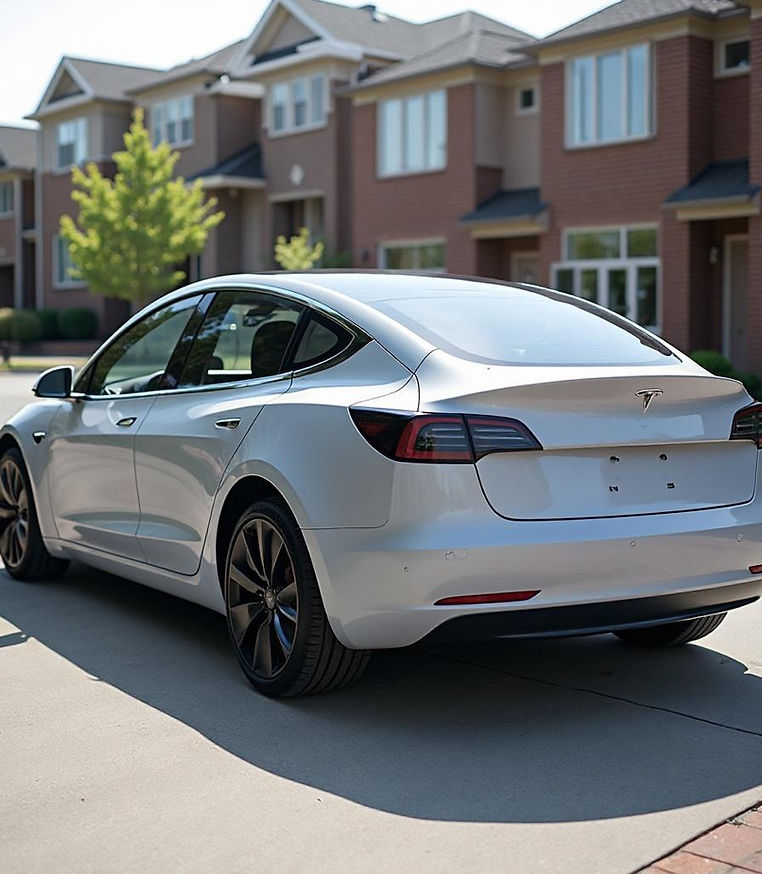
The service suits new vehicle deliveries, demo vehicles, and lease turn-ins. It is also a smart fix for vehicles with fading film, purple hue, or bubbled rear glass. The mobile tech removes old film safely and replaces it with non-metallized ceramic for strong IR performance and clean signal behavior.
Common questions, short answers
- How long does it take? Most sedans take two to three hours; larger SUVs can take up to four.
- Will my GPS or Bluetooth suffer? No, non-metallized nano-ceramic films avoid signal interference.
- How soon can I roll windows down? After 48 hours; longer if humidity is very high.
- Do you meter the tint? Yes, before and after using a calibrated VLT gauge.
- Is the work legal? Yes, installs follow Kentucky law, with the certified door-jamb label included.
Book with a local authority on mobile window tinting Louisville KY
Sun Tint has served Louisville drivers since 1986 with factory-fit finishes and premium films. The team brings computer-cut precision, nano-ceramic heat control, and Kentucky-legal installs to your driveway or office. Whether the car is parked near Churchill Downs, outside the Muhammad Ali Center, or in a quiet East End cul-de-sac, the goal stays the same: cooler cabins, clearer views, and film that lasts in Kentucky humidity.
Request a free mobile tint estimate today. Ask about same-day availability in Jefferson County and nearby cities including New Albany, Jeffersonville, Lexington, Frankfort, Elizabethtown, Shelbyville, and Mount Washington. Expect a calm, efficient visit with clear communication, a lifetime warranty, and a finish that looks like it rolled out of the factory.
Sun Tint
4511 Poplar Level Rd, Louisville, KY 40213, United States
Phone: +1 502-254-0001
Products and Services: sun-tint.com
Map: View on Google Maps
Hours:
- Wednesday: 7am–8pm
- Thursday: 7am–8pm
- Friday: 7am–8pm
- Saturday: 7am–8pm
- Sunday: 7am–8pm
- Monday: 7am–8pm
- Tuesday: 7am–8pm